


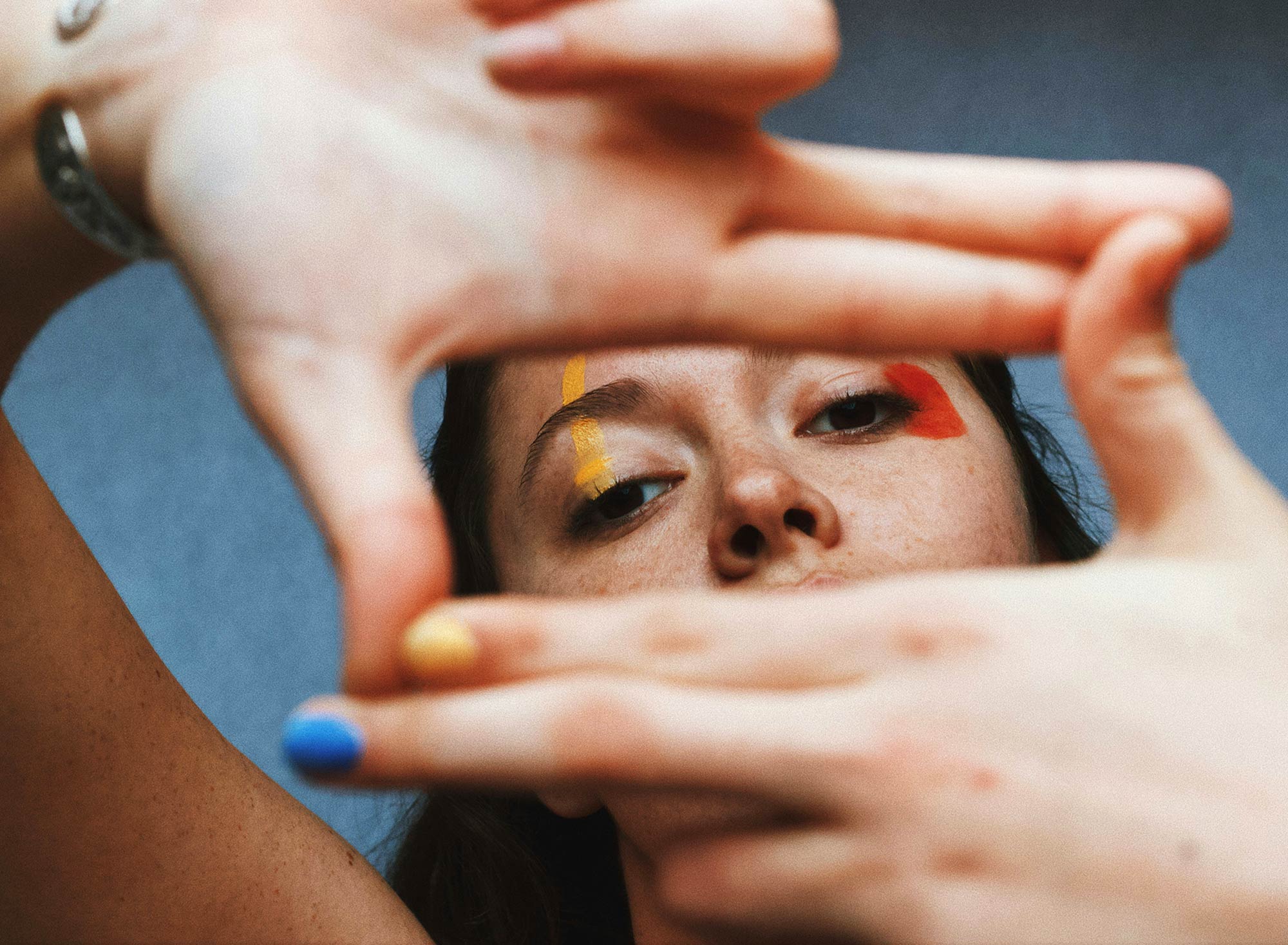
Not everything has to be a photo.
I'm standing at the edge of a small market in Indonesia, watching a woman selling fruit. It's noisy; metal clatters somewhere, and mopeds whiz by. She sits on a low stool, a few crates neatly arranged in front of her. The fruit isn't perfect; some has bruises, others are still slightly green. She adjusts them constantly as she watches the people passing by.
I stop and think: That would make a damn good photo. The light is coming at an angle, the colors are perfect. It's the kind of scene that will seem meaningful later, even though it isn't in the moment. My hand instinctively wants to grab the camera, but—as so often happens—I don't. I don't take a picture. Something about it feels wrong.
Who owns this moment?
This woman is part of this street. Her everyday life unfolds here, whether I'm there or not. I notice how quickly other people's lived realities can be transformed into something that seems interesting or aesthetically pleasing to outsiders. Especially when traveling, this is a boundary I constantly reflect on. I don't want to feel like I'm turning other people's lives, especially those of people who don't have the same privileges or safe spaces as I do, into something that ultimately serves only to garner attention.
When traveling, everything is new; much seems interesting, unusual, sometimes even "photogenic." Situations you would simply pass by if you lived there suddenly become something worth capturing. I often see such images: street photography, travel photos, documentary shots. Up close, spontaneous, unsolicited. Children playing, people at work, everyday scenes from other places. Many of these pictures are good; that's not the point.
I also don't believe that all these photos are automatically wrong. Photography could and can bring people closer together. Especially in the past, photographers were often the only ones who provided insights into places or cultures that would otherwise have remained invisible to many people. Documentary photography can be important, and journalistic work even more so. War photography and social documentation also fulfill a function that goes far beyond aesthetics.
The imbalance behind and in front of the camera
What concerns me more is how things have changed today. Many places, cultures, and realities of life have long been documented. Nevertheless, content continues to be constantly produced, posted, and shared—often not to foster understanding or awareness, but because certain images attract attention. Because they seem "real," resonate emotionally, or perform well on social media. And that's precisely where I feel something is starting to tip.
As a traveler, I arrive in a place I can leave at any time. I can decide what I capture, what I show, and how I tell the story. Ideally, I receive positive feedback and recognition for a good photograph. If photography is part of my profession, it can also generate income. The people in these pictures don't have that option. They often have no control over whether they are photographed, and even less control over where those images end up or in what context they appear.
Furthermore, our safe spaces vary greatly. In some contexts, it would be almost inconceivable to photograph strangers' children or private everyday situations without their consent and share them publicly. In others, this seems perfectly normal, even though the underlying situation is essentially the same: someone becomes part of a picture without having been asked. It is precisely this asymmetry that concerns me.
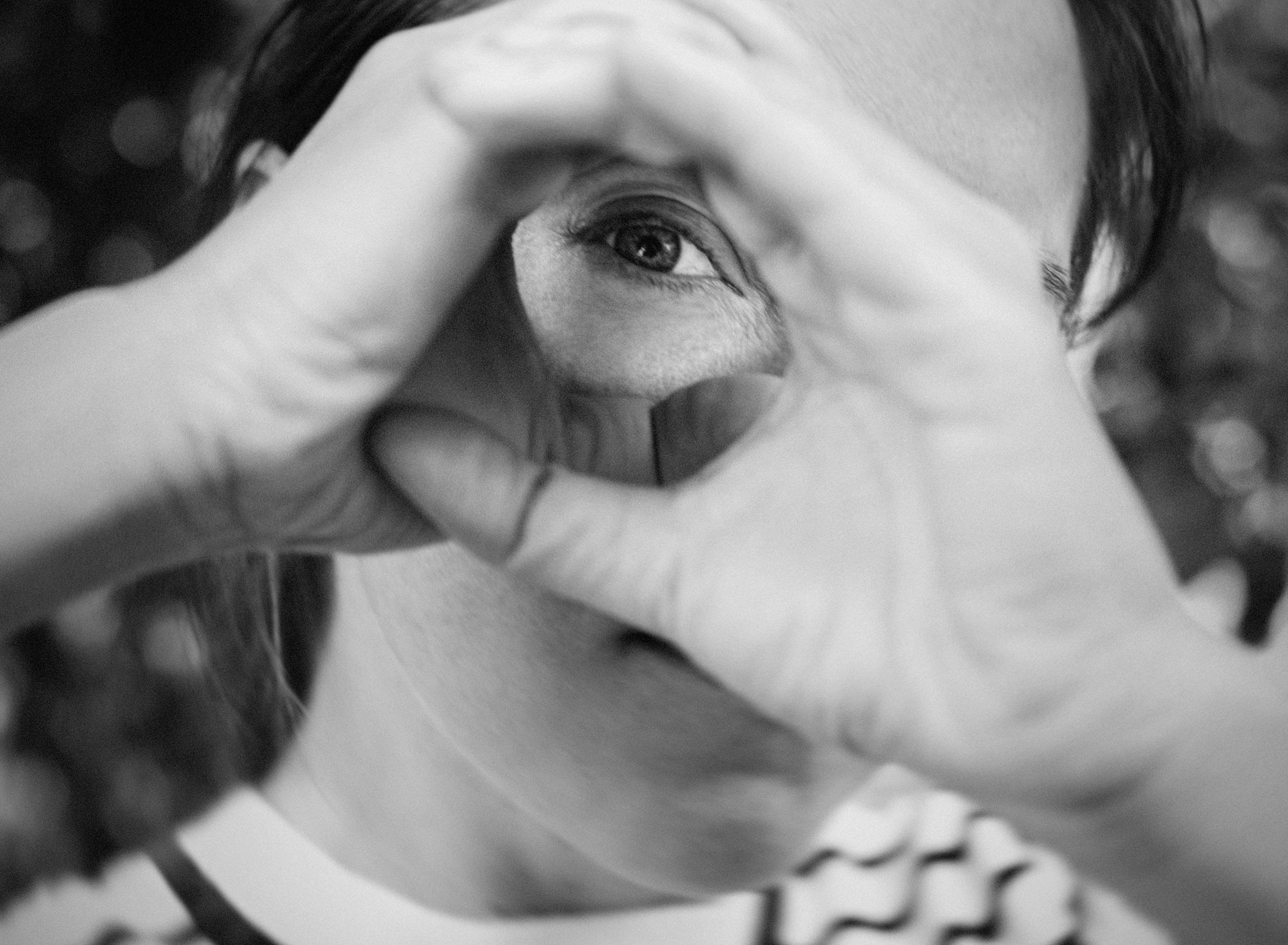
If consent is only formal
Many street and travel photographers assure us that they ask for permission before photographing someone. This is probably the most obvious and respectful way to handle the situation. Nevertheless, I remain uncertain whether this always works so clearly in practice. A quick inquiry doesn't automatically resolve the underlying issue.
Because consent also presupposes that both sides understand what's actually going on. That it's clear what will happen to the image, where it might end up, how it will be used. I wonder how well this understanding is always present, especially when people have no contact with media, when they don't know the platforms, or when language and context are lacking. Taking a photo in the moment is quick and easy, but the consequences of that photo lie beyond that moment.
On not holding on
Perhaps that's precisely why I often leave my camera down in such moments. Not because I believe I'm morally superior, or because every form of travel photography is problematic. But because I don't want other people to involuntarily become part of my self-expression. Not for a pretty picture, not for attention on social media, and not even for my private photo album. Because: Not everything you see belongs to you. And not everything that can be easily told or shown should actually be shown.
More interesting articles by Nadine on this topic:
CONSCIOUS TRAVEL: WHY I NOW COLLECT MOMENTS INSTEAD OF PHOTOS
HIDDEN GEMS: WHEN THE EXTRAORDINARY BECOMES A PROBLEM
© Photos: unsplash / Sonja Prein, Pexels / Elizaveta Dushechkina

Nadine Pinezits
Nadine is a freelance editor and copywriter. She lives in Austria and commutes between Salzburg and Vienna. This means she is either in the mountains or in the urban jungle, but at the same time tries to spend as much time as possible in her beloved country, Portugal.


Kul Roka
This captures something many photographers feel but rarely talk about. Not every moment is meant to be turned into an image. Sometimes the most honest thing we can do is simply witness it without framing it through a lens. The scene already had meaning because you were present in it — the camera would only have changed the way you remembered it. Beautiful writing.